 Holly
HollyBrand Rivalries have their purpose with certain marketing strategies within reason. With traditional rivalry strategies, they can drive competition in a fun, humorous way but with clear directions. If we look at some like Mac vs PC, it showcases the rivals’ weaknesses and engages a strong emotional connection encouraging consumers to pick a specific side. However, if taken too far, it can make the consumer see a more aggressive behavior and lose trust in that brand.
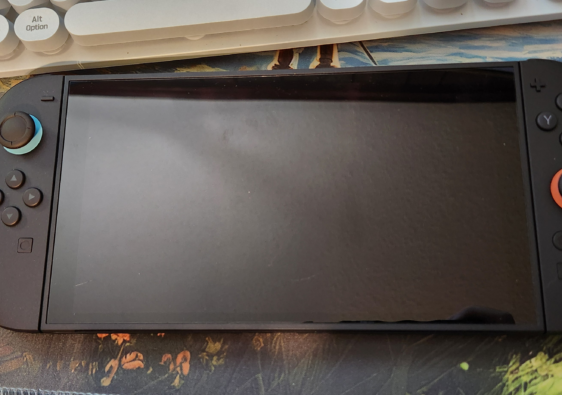
Another example is Nintendo and PlayStation as they both showcased their strengths and focus points over the other. For a gamer, they all have their own preference and gaming styles. Some like gaming on a certain console, while others prefer a mac or PC windows style.
Some gamers do the competitive rivalry battles for the brands. All over social media, one that prefers the Xbox would bash a Nintendo gamer, and vice versa. While someone who prefers gaming on PC would bash a console gamer in general. It’s all about self-preference and what style suits the consumer more.
Praising Brands
When a brand praises their competitors, it creates a more respectable, trustworthy, and positive atmosphere for them. It shows a shared value for one another with humility and credibility. Praising another brand positions them as confident, transparent, and customer-focused, which strengthens trust and improves brand loyalty. (Babin & Harris, 2024).
When a brand praised a competitor, consumers developed a more positive attitude towards the brand — and that shift in attitude was directly reflected in consumers’ willingness to buy the brand’s products. (Cutright & et al. 2022). Consumers favorably respond to competitor praise because it shows warmth, confidence, and boosts the brand’s image. This could also result in growth in sales and credibility.
Thin-ice theory allows consumers to make quicker decisions about brands and their purchases with minimal information potentially based on first impressions. The automatic processing allows consumers to bypass certain efforts and make decisions based on emotions reducing the timely frustrations.
When Not to Praise
When a brand understands the behavior and psychology behind their consumers, then they will know when to do the competing strategy and when to do more praising. A way that praising competitors might not work would be the lowering of walls in showing vulnerability within the brand when one is to show more strength. One wants to praise another but not at the expense of their own losses.
Another way praise won’t work is when it becomes fake or inauthentic which can damage the brand positioning resulting in the loss of credibility and confidence. It also doesn’t work to praise when it feels more forced or competitive driven. Overly boosting another brand’s options and lower costs can also drive consumers to that brand instead which doesn’t work out for them.
Reference
Babin, B. J., & Harris, E. G. (2024). CB (10th ed.). Cengage Learning. (Chap. 1 and Chap. 6.3)
Cutright, K. M., Du, K. M., & Zhou, L. (2022, March 24). Research: When praising the competition benefits your brand. Harvard Business Review.